

Die kognitive Überlegenheit des Schreibens von Hand.
Warum Papierplanung digitale Apps immer noch übertrifft.
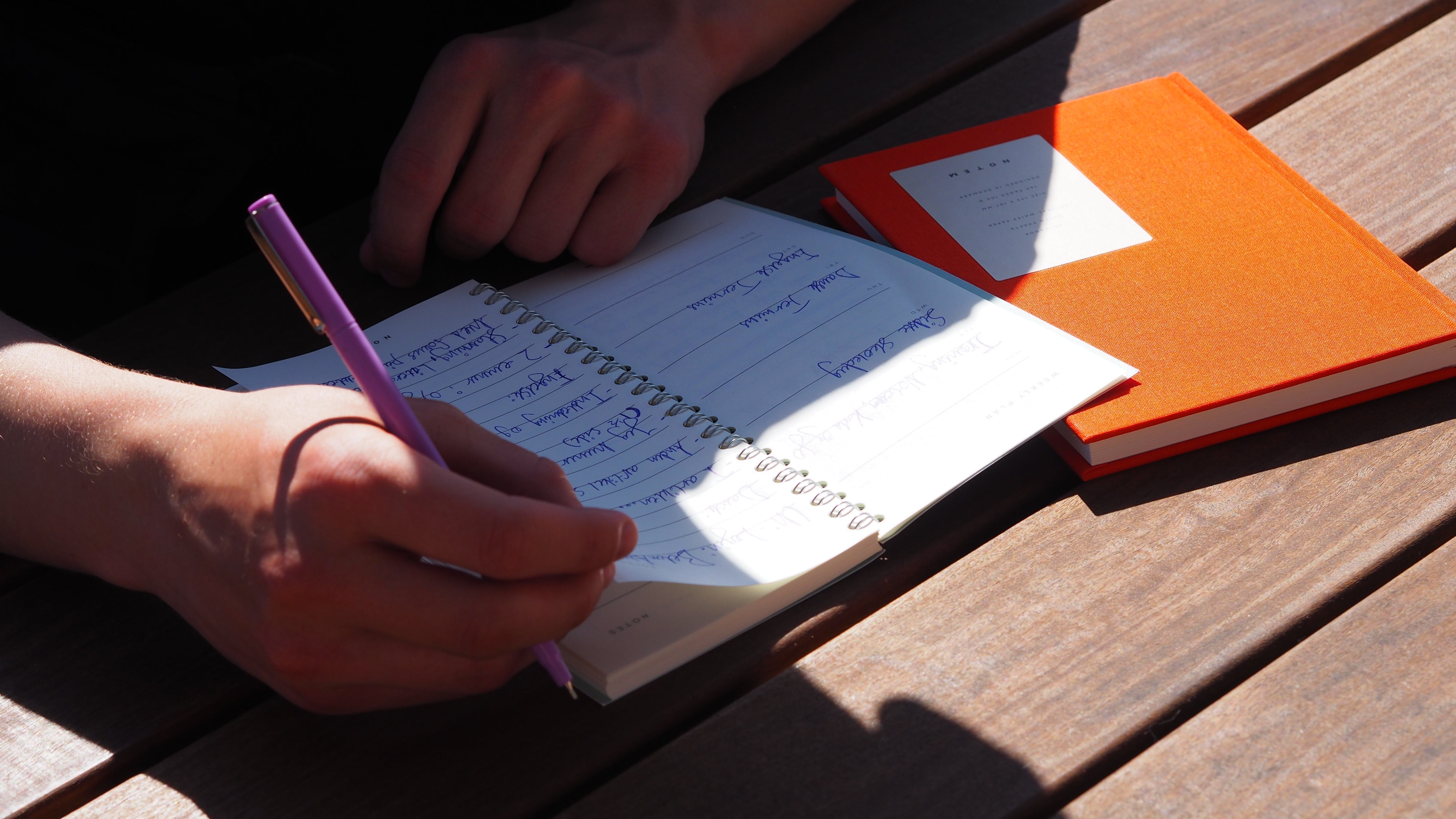
Handschrift aktiviert direkt das retikuläre Aktivierungssystem des Gehirns, das Hintergrundgeräusche ausblendet und Ihre Aufmerksamkeit strikt auf die jeweilige Aufgabe fokussiert. Beim Tippen auf einer Tastatur verarbeitet Ihr Gehirn identische Tastenanschläge passiv und versetzt Ihre kognitive Aufnahmefähigkeit praktisch in den Autopilot. Buchstaben mit einem Stift zu formen erfordert komplexe motorische Fähigkeiten, die direkte sensorische Rückmeldungen an das Gehirn senden und Informationen deutlich tiefer im Gedächtnis verankern. Dieses taktile Engagement ist die Grundlage der physischen Planung und beweist, dass wir uns intuitiv viel besser an das erinnern, was wir schreiben, als an das, was wir tippen.
Das ausschließliche Verlassen auf digitale Werkzeuge erzeugt in beruflichen Umgebungen oft ein falsches Sicherheitsgefühl. Sie speichern eine Aufgabe in einer App und gehen davon aus, dass die Software sie für Sie behält, was Ihre eigene kognitive Erinnerung grundlegend verringert. Papierplaner zwingen Sie dazu, Informationen aktiv zu synthetisieren, Besprechungspunkte zusammenzufassen und diese bewusst auf der Seite festzuhalten. Diese aktive Verarbeitung bedeutet, dass Sie Ihre täglichen Prioritäten genau verstehen, ohne eine Push-Benachrichtigung zu benötigen, die Sie an Ihre wichtigsten Geschäftsziele erinnert. Die Einbindung eines analogen Systems schafft einen widerstandsfähigen, selbstständigen Arbeitsablauf.
Dem digitalen Ablenkungsfalle entkommen
Digitale Planungs-Apps leben auf genau denselben Geräten, die Ihre Konzentration unterbrechen und Ihre Aufmerksamkeitsspanne erschöpfen. Das Öffnen eines Smartphones oder eines Browser-Tabs, um den Tagesplan zu prüfen, setzt Sie unweigerlich ungelesenen E-Mails, Social-Media-Benachrichtigungen und Instant-Messaging-Mitteilungen aus. Was als schneller Kalendercheck beginnt, entwickelt sich leicht zu 30 Minuten verlorener Produktivität und einem unterbrochenen Gedankengang. Papier eliminiert diese Reibung vollständig und schafft eine sichere Grenze um Ihre Konzentration.
Ein physischer Planer fungiert als Offline-Zufluchtsort direkt auf Ihrem Schreibtisch. Wenn Sie ein Buch öffnen, gibt es keine Pop-ups, Software-Updates oder Akkuwarnungen, die Ihren Flow unterbrechen. Diese physische Trennung zwischen Ihren Planungswerkzeugen und Ihren digitalen Ausführungswerkzeugen ermöglicht tiefere, ungestörte Konzentration. Sie können Ihr Telefon in einem anderen Raum lassen, den Laptop schließen und dennoch eine hochrangige Projektstrategie mit völliger Klarheit skizzieren.
Visuelle Klarheit durch skandinavisches Design
Mentale Kapazität ist eine begrenzte Ressource, und visuelles Durcheinander zehrt im Laufe des Arbeitstages schnell daran. Digitale Oberflächen sind oft überladen mit Menüs, farbcodierten Tags, Seitenleisten und komplexen Navigationsstrukturen, die kognitive Anstrengung allein zum Entschlüsseln erfordern. Skandinavisches Design löst dieses Problem durch bewusste Einfachheit, nutzt offenen Raum, Licht und strenge grafische Klarheit. Indem unnötige dekorative Elemente bewusst weggelassen werden, lenkt das Design Ihre Augen direkt auf das Wesentliche: Ihre eigenen Gedanken und Aufgaben.
Die Verwendung von minimalistischen Notizbüchern erlaubt es der physischen Struktur der Seite, Ihren Arbeitsablauf zu unterstützen, anstatt ihn aggressiv vorzugeben. Ein klares Layout mit dezenten Gittern oder feinen Linien bietet gerade genug Rahmen, um Listen organisiert zu halten, ohne Ihre Sinne zu überfordern. Diese ästhetische Zurückhaltung schafft eine beruhigende visuelle Umgebung, die aktiv Stress reduziert. Sie verwandelt die Planung von einer hektischen administrativen Pflicht in ein ruhiges, fokussiertes und angenehmes tägliches Ritual. Für Fachleute, die einen ablenkungsfreien Arbeitsplatz schaffen möchten, ist die Auswahl der richtigen Schreibtisch-Accessoires ein entscheidender Schritt.
Der taktile Vorteil hochwertiger Notizbücher
Die physischen Eigenschaften Ihrer Arbeitswerkzeuge beeinflussen direkt Ihre Bereitschaft, sie konsequent zu nutzen. Dünnes Papier, durchdrückende Tinte und schlechte Bindung erzeugen physischen Widerstand, der das Notieren frustrierend und temporär erscheinen lässt. Hochwertige Notizbücher überbrücken die Lücke zwischen alltäglicher Nützlichkeit und erstklassiger Handwerkskunst und heben die tägliche Schreibroutine auf ein neues Niveau. Wenn Sie auf hochwertigen Materialien schreiben, signalisieren Sie sich unbewusst, dass Ihre Ideen, Strategien und Zeitpläne von großem Wert sind.
Betrachten Sie die mechanische Funktion des Buches selbst, ein oft übersehenes Merkmal bei Massenmarkt-Schreibwaren. Eine echte Flachbindung sorgt dafür, dass das Notizbuch vollständig offen auf Ihrem Schreibtisch liegt und einen nahtlosen, freihändigen Übergang zwischen linker und rechter Seite ermöglicht. Dies schafft einen hochfunktionalen Arbeitsplatz, an dem Sie Ihre handschriftlichen Notizen einsehen können, während Sie gleichzeitig auf einem Laptop tippen. In Kombination mit nicht durchdrückendem, schwerem schwedischem Papier gleitet die Tinte sanft, was das physische Schreiben äußerst befriedigend und effizient macht.
4 umsetzbare Strategien für effektive physische Planung
Die Rückkehr zu analogen Werkzeugen erfordert ein bewusstes System, um sicherzustellen, dass nichts durch die Maschen fällt. So maximieren Sie die Effizienz Ihrer Papierplaner und optimieren Ihren Arbeitstag:
-
Der abendliche Brain Dump: Nehmen Sie sich am Ende jedes Arbeitstages genau 10 Minuten Zeit, um alle anstehenden Aufgaben aufzuschreiben. Das Übertragen dieser Punkte von Ihrem rasenden Geist auf eine physische Seite reduziert die kognitive Belastung, ermöglicht Ihnen vollständiges Abschalten und verbessert Ihren Schlaf.
-
Die Top-3-Regel: Schreiben Sie keine 20-Punkte-lange, überwältigende To-do-Liste, die Angst auslöst. Beschränken Sie Ihren täglichen Fokus auf die drei wichtigsten Aufgaben, die Ihr Geschäft wirklich voranbringen. Lassen Sie den begrenzten physischen Raum der Seite Sie zu schwierigen, strategischen Entscheidungen darüber zwingen, was wirklich zählt.
-
Taktiles Time-Blocking: Teilen Sie Ihren Tag direkt auf der Seite in spezifische, fokussierte Zeitblöcke ein. Einen physischen Raum in einem Planer einer bestimmten Stunde zuzuweisen, schafft ein stärkeres psychologisches Engagement für die Aufgabe als das Verschieben eines digitalen Blocks über den Bildschirm.
-
Die wöchentliche Migration: Überprüfen Sie am Ende der Arbeitswoche Ihre offenen Aufgaben. Das manuelle Abschreiben einer unerledigten Aufgabe in die nächste Woche zwingt Sie zu bewerten, ob sie tatsächlich erledigt werden sollte oder ob sie gestrichen und vollständig aufgegeben werden kann.
Unvergleichliche Flexibilität für sich entwickelnde Arbeitsabläufe
Software-Anwendungen zwingen Sie, Ihr Denken an ihre starren architektonischen Vorgaben anzupassen. Wenn eine App strikt auf lineare Listen ausgelegt ist, können Sie nicht einfach zu einer komplexen Mindmap oder einer frei gestalteten architektonischen Skizze wechseln. Notizbücher bieten eine uneingeschränkte, leere Leinwand, die sich sofort an jedes Format anpasst, das Ihr aktuelles Projekt erfordert. Sie können auf einer Seite ein Finanzbudget skizzieren, auf der nächsten eine Produkt-Drahtmodellzeichnung anfertigen und auf der dritten hochstrukturierte Sitzungsprotokolle entwerfen.
Diese extreme Vielseitigkeit ist für kreative Fachleute, Projektmanager und Führungskräfte, die tagsüber vielfältige Probleme lösen, absolut entscheidend. Sie sind nie durch Zeichenbegrenzungen, obligatorische Dropdown-Menüs oder Pflichtfelder eingeschränkt. Die Umgebung der Seite wird vollständig vom Nutzer in Echtzeit definiert, was Papier zum agilsten und reaktionsschnellsten Produktivitätstool in jedem modernen Büro macht.
Investieren Sie in Ihre täglichen Rituale
Die physischen Werkzeuge, die Sie bewusst auf Ihrem Schreibtisch aufbewahren, prägen Ihre Arbeitsweise, Ihr Denken und die Umsetzung von Ideen. Der Schritt weg von rein bildschirmbasierter Verwaltung hin zu analoger Organisation ist ein bewusster Schritt zu Achtsamkeit, weniger Angst und gesteigerter beruflicher Produktivität. Papier stürzt nicht ab, benötigt kein monatliches Cloud-Abo und unterbricht niemals Ihre tiefsten Gedanken. Es wartet einfach, bereit, Ihre besten Ideen festzuhalten, wenn die Inspiration kommt.
Bereit, einen ablenkungsfreien Arbeitsablauf zu schaffen und Ihre täglichen Rituale zu verbessern? Entdecken Sie unsere Kollektion funktionaler, flach liegender Planer und hochwertiger Notizbücher, die speziell dafür entwickelt wurden, Klarheit, Ruhe und Fokus in Ihre täglichen Aufgaben zu bringen.
https://notem-studio.com/blogs/news/why-paper-planning-still-beats-digital-apps

